
A broken braces bracket is a small metal or ceramic piece that has loosened, shifted, or detached from your tooth surface. While this isn’t usually a dental emergency, you should contact your orthodontist within a few days to schedule a repair. Quick action prevents treatment delays and keeps your smile journey on track.
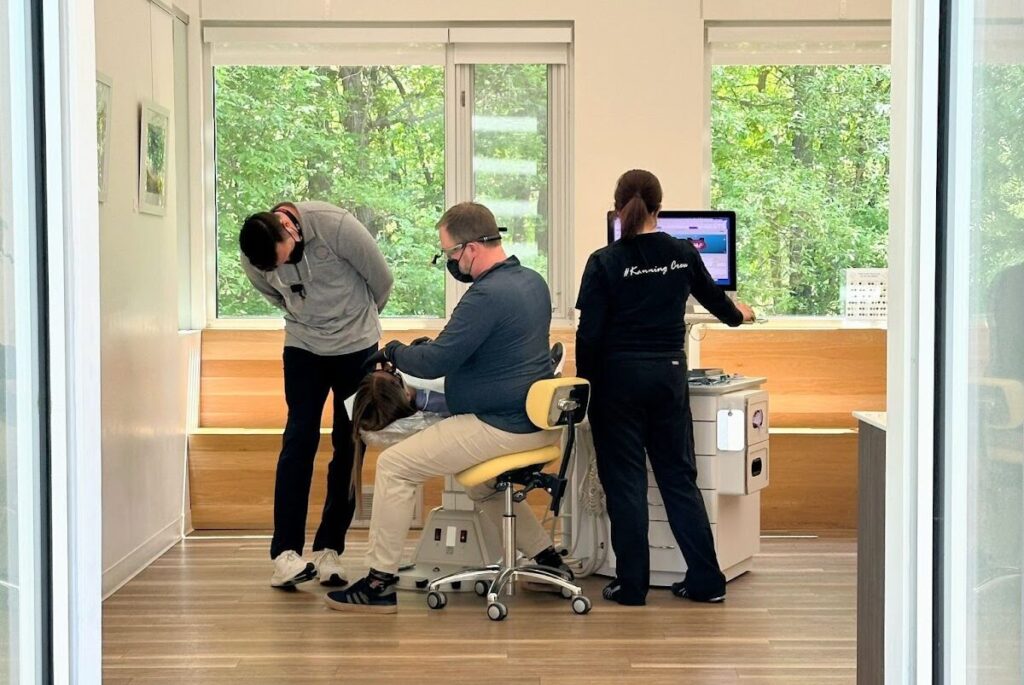
If you’ve noticed something feels off with your braces, take a breath. Dr. Kanning and the team at Kanning Orthodontics see bracket issues regularly at our offices serving Kansas City and Liberty, and most are simple fixes. Our team can help you understand what to do next, reduce irritation, and get your treatment back on track. Here’s what you need to know about handling a broken bracket and getting back to your smile goals.
What Is a Broken Braces Bracket?
Each bracket is a small square bonded directly to your tooth. These brackets hold the archwire in place. Think of the archwire as the backbone of your braces system. It applies consistent pressure to shift your teeth into the right position.
When a bracket breaks, it typically means the bond between the bracket and tooth enamel has weakened. The bracket might spin freely on the wire, sit at an odd angle, or come off completely.
Common causes of broken brackets include:
- Biting into hard foods like ice, nuts, or hard candy
- Chewing sticky foods like caramel or taffy
- Sports impacts without a mouthguard
- Nervous habits like nail biting or pencil chewing
- Normal wear over time
A broken bracket is different from a broken wire. The wire is the thin metal thread connecting all your brackets together. Wire issues often feel more urgent because a poking wire can irritate your cheeks and gums right away. Bracket and wire issues are common during active orthodontic treatment, and many can be resolved quickly with guidance from your orthodontic team.
For more treatment information, visit our Braces Kansas City, Liberty Braces, Metal Braces, and Clear Braces pages.
5 Tips to Use If Your Braces Break
When your braces break, follow these five steps to protect your mouth and keep your treatment moving forward. Acting quickly can prevent discomfort and avoid extending your time in braces.
How Should You Assess the Situation?
First, look in a mirror to see what’s happening. Is the bracket still attached to the wire but loose on your tooth? Has it come off completely? Is a wire poking out? Understanding the issue helps you explain it to your orthodontist and take the right next steps.
How Do You Apply Orthodontic Wax to Sharp Edges?
Orthodontic wax is your best friend here. Roll a small piece between your fingers to warm it up, then press it over any sharp bracket edges or wire ends. This creates a smooth barrier between the metal and your soft tissue. You may have received wax in your braces care kit, but most pharmacies carry it too.
What Should You Do About Poking Wires?
If a wire is sticking out and irritating your cheek, try gently pushing it back toward your teeth using the eraser end of a pencil. If that doesn’t work and the wire is causing pain, you can carefully clip the wire with clean nail clippers. Sterilize the clippers first with rubbing alcohol. Cover any remaining sharp end with wax, then call our team for guidance.
Should You Save Any Detached Pieces?
If a bracket comes off completely, put it in a small plastic bag or container. Bring it to your repair appointment. Your orthodontist may be able to rebond the same bracket, which can save time.
When Should You Call Your Orthodontist?
Don’t wait to see if the issue gets worse. Call Kanning Orthodontics to schedule a repair visit. Our team can advise you over the phone about whether you need to come in right away or if it can wait until your next regular appointment.
One important warning: Never try to reattach a bracket yourself using household glue or adhesives. These products aren’t safe for your mouth and can damage your teeth. Only an orthodontist has the right bonding materials and technique to fix a bracket correctly.

Why Quick Action Matters After a Broken Bracket
Getting your bracket repaired promptly does more than just restore comfort. It protects your treatment timeline and your oral health. Patients near our Kansas City and Liberty offices should contact us so we can determine the best repair timing.
Treatment stays on schedule. Each bracket plays a specific role in moving your teeth. When one isn’t working, that tooth may stop progressing as planned. The longer you wait, the more your treatment plan can drift off course.
When loose brackets and exposed wires rub against your cheeks, lips, and tongue, sore spots can develop that make eating and talking uncomfortable. Wax helps for a while, but a repair solves the problem more completely.
Soft tissue stays protected. Sharp edges can cause cuts and ulcers inside your mouth. These take time to heal and can become irritated if not addressed.
Teeth that lack proper bracket function might shift in unplanned directions. This can create new issues that require additional correction later.
Costs stay predictable. Minor repairs are usually straightforward. Waiting until multiple brackets fail or teeth have shifted significantly can mean more involved adjustments.
If you have questions about treatment costs or coverage, visit our Financing & Insurance page.
Broken Bracket vs. Broken Wire vs. Swallowed Wire
Not all braces problems are equal. Here’s how to tell what you’re dealing with and how urgently you need to act.
| Issue | Urgency Level | What to Do |
|---|---|---|
| Loose or broken bracket | Schedule repair within a few days | Apply wax, avoid hard foods, call your orthodontist |
| Poking or broken wire | Same day if causing pain | Push back with eraser, clip only if needed, apply wax, call the office |
| Swallowed bracket or wire piece | Usually not urgent, but call for guidance | Call your orthodontist and physician; seek care if coughing or breathing difficulty occurs |
| Lost orthodontic wax | Not an emergency | Purchase more at a pharmacy or ask us for more at your next visit |
| Severe trauma or facial swelling | True emergency | Seek immediate medical or dental care |
Most swallowed orthodontic pieces pass through the digestive system without issue. However, if you experience coughing, choking, chest discomfort, or any difficulty breathing after swallowing a piece, seek medical attention immediately.
What Affects the Cost of Broken Bracket Repairs?
Repair costs depend on several factors, including your existing treatment plan, the type of brackets you have, and how often repairs are needed. Many patients are surprised to learn that routine repairs may already be factored into the overall treatment fee, so a single broken bracket may not result in extra charges.
Included in your treatment fee. Many orthodontic practices include routine repairs in the overall treatment cost. Our team can explain what is included in your specific plan.
Frequency matters. If brackets break repeatedly due to eating habits or other avoidable causes, your orthodontist may need to discuss whether additional fees apply. Following your food guidelines helps prevent this.
Different bracket materials can play a role in repair pricing. Metal braces, clear braces, and other ceramic options may have different replacement considerations. Your treatment coordinator can explain what applies to your specific braces.
After-hours visits. If you need an emergency repair outside regular office hours, different fee structures may apply. Most bracket issues can wait until the next business day.
For specifics on what’s covered under your plan, your treatment coordinator at Kanning Orthodontics can walk through your contract line by line. We offer flexible financing and clear communication about costs.
When Should You Contact Your Orthodontist About a Broken Bracket?
Knowing when to call helps you get the right care at the right time. Here’s a quick guide for patients at our Kansas City and Liberty locations.
Call immediately if:
- A wire is cutting into your cheek and wax isn’t providing relief
- You’ve experienced facial trauma involving your braces
- You have severe soreness that over-the-counter relievers don’t help
Call within 24 hours if:
- A bracket has fully detached from your tooth
- A wire has broken and is loose in your mouth
- You’re unsure whether the issue needs attention
Schedule at your next regular visit if:
- A bracket is slightly rotated but not causing discomfort
- You’ve noticed minor looseness but everything feels stable
Seek medical care if:
- You’ve swallowed a piece and experience coughing or breathing difficulty
- You have facial swelling, fever, or signs of infection
One thing to avoid: skipping your regular adjustment and hoping the issue fixes itself. It won’t. Teeth don’t stop moving just because a bracket broke. Without proper guidance from the archwire, they might move in the wrong direction.
Dr. Kanning and our team understand the importance of handling issues quickly and getting you back on track. We’re here to help, not to judge.
How to Prevent Broken Brackets
Good daily habits can lower your risk of broken brackets during treatment. If you are wearing braces in Kansas City or Liberty, keep these basics in mind:
- Avoid hard, sticky, and crunchy foods that can loosen brackets
- Cut apples, carrots, and crusty foods into smaller pieces
- Do not chew on ice, pens, pencils, or fingernails
- Wear a braces-safe mouthguard during sports
- Call our office if something feels loose before it becomes uncomfortable
You can also learn more about orthodontic care on our Our Treatments, Orthodontics for All Ages, and Orthodontic FAQs pages.
Frequently Asked Questions About Broken Braces
Can I eat normally with a broken bracket?
Stick to soft foods until your bracket is repaired. Hard or crunchy foods can cause more damage or push the loose bracket into an uncomfortable position. Soups, yogurt, pasta, and smoothies are good choices while you wait for your repair appointment. Avoid chewing on the side of your mouth where the broken bracket is located, and cut food into smaller pieces to reduce pressure on your braces overall.
Does a broken bracket extend my treatment time?
It can, especially if you wait too long to get it fixed. A bracket that isn’t functioning means that tooth isn’t moving as planned. Getting repairs done quickly minimizes any impact on your overall timeline. In many cases, addressing a broken bracket within a few days keeps your treatment plan close to schedule.
Can I fix a broken bracket at home?
No. Only an orthodontist can properly rebond a bracket to your tooth. The bonding process requires specific materials, tools, and technique. Home repair attempts with glue or adhesives can damage your teeth and make the professional repair more difficult. Even temporary fixes with household items can leave residue on the tooth that complicates rebonding later.
What if I swallow a piece of my braces?
Most swallowed pieces pass through your system without trouble. Call your orthodontist to let them know what happened. If you experience any coughing, difficulty breathing, or chest discomfort, seek medical attention right away. Keep an eye on how you feel over the next 24 hours and contact your physician if anything seems unusual.
How can I prevent broken brackets?
Follow your food guidelines carefully. Avoid hard foods like ice, popcorn kernels, and hard candy. Skip sticky foods like caramel and gum. If you play sports, wear a mouthguard designed for braces. Break habits like nail biting or chewing on pens. Cutting raw vegetables and fruits into smaller, manageable pieces also reduces strain on your brackets during meals.
Will my insurance cover the repair?
Coverage varies by plan. Some insurance policies include orthodontic repairs, while others don’t. Contact your insurance provider or ask our treatment coordinator to help you understand your benefits. Many patients find that orthodontic repair guidance is included as part of the original treatment process, which can make the next steps simpler than expected.
How long does a bracket repair appointment take?
Most bracket repair visits are quick, often taking 20 to 30 minutes from start to finish. The team will clean the tooth surface, prepare the bracket, and bond it back into position. You’ll typically be able to return to school, work, or your normal routine immediately afterward.
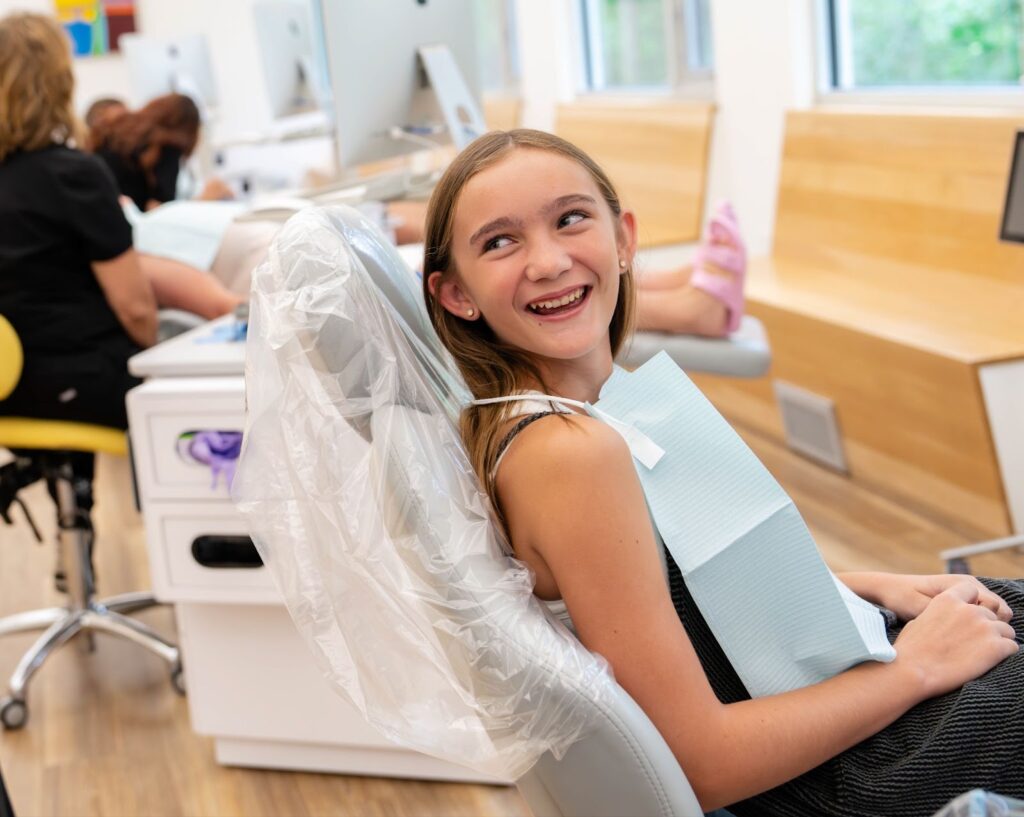
If you have a broken bracket, loose wire, or another concern with your braces, contact Kanning Orthodontics for help. Our team serves families from Kansas City, Liberty, and surrounding areas with modern orthodontic care designed to keep treatment comfortable and on track.
To continue learning, visit our Braces Kansas City, Liberty Braces, Metal Braces, Clear Braces, Orthodontics Kansas City, Orthodontist Kansas City, Orthodontist Liberty MO, Our Treatments, and Contact Us pages.


